Lorem ipsum es un texto de relleno sin traducción literal. Proviene de fragmentos alterados de una obra de Cicerón del año 45 a.C. Se usa como maqueta visual para evaluar tipografías y diseños sin que el lector se distraiga con el significado real.
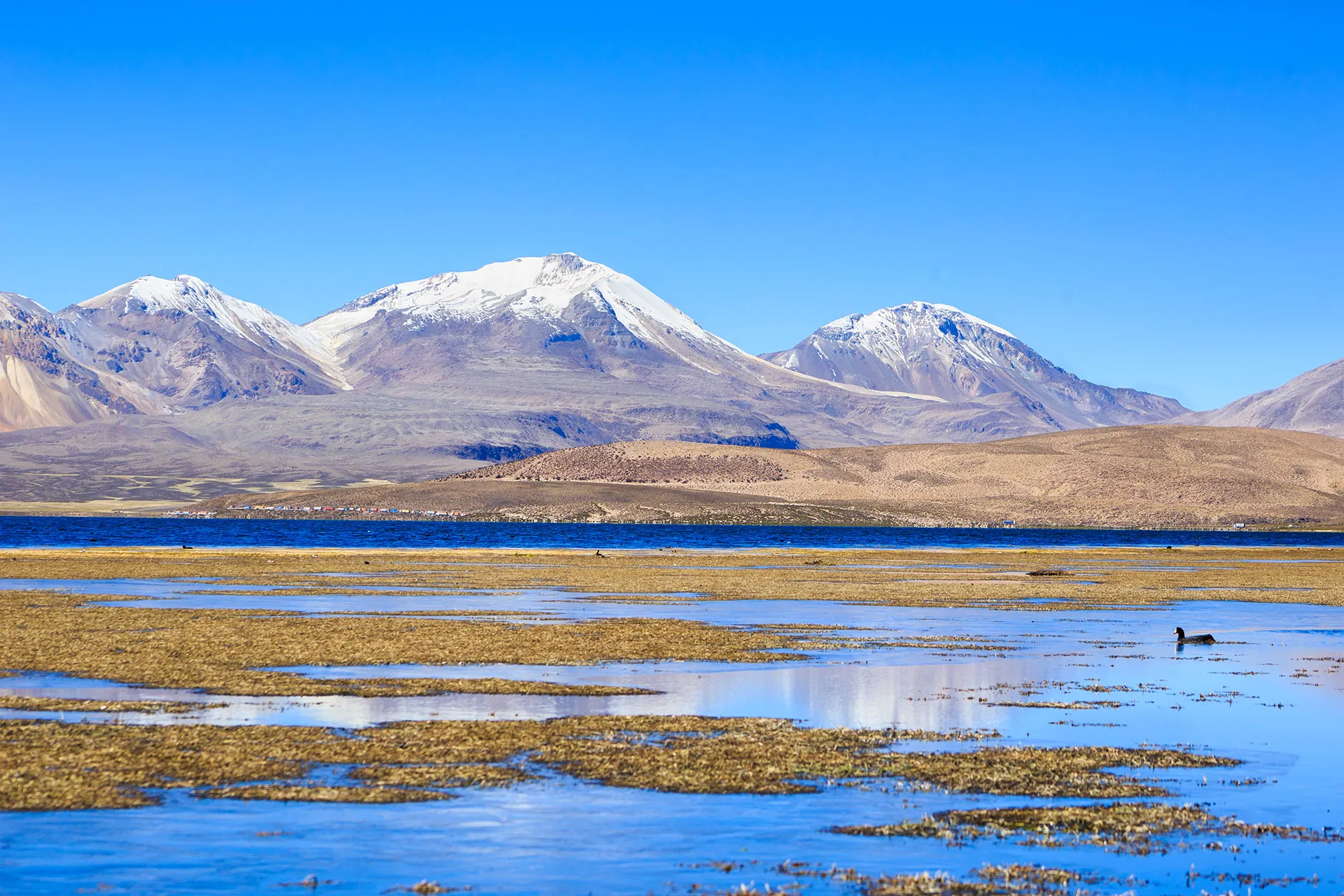
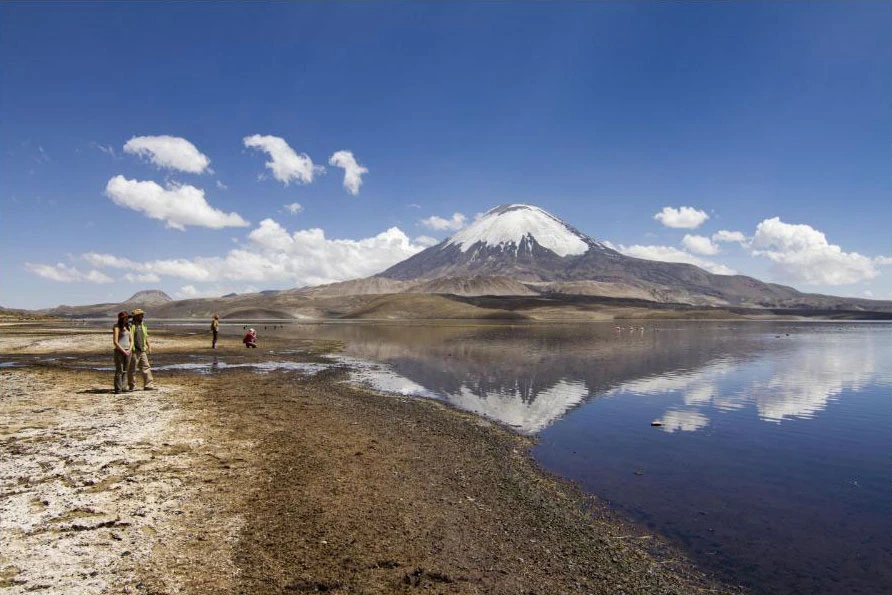
The first stop of this journey is the Lluta Valley, home to various ruins and archaeological traces such as the Copaquilla Pukará—a fortress dating back to the 12th century that was declared as a National Monument. And the Inca Tambo of Zapahuira, a kind of shelter or Inca residence that shows the presence of this culture in Chile. After passing through the towns of Putre and Parinacota, the expedition concludes in Lauca National Park, which has been declared as a World Biosphere Reserve by UNESCO. With more than 130,000 hectares, this park hosts a great variety of high-altitude flora and extensive fauna, such as beautiful wetlands (native meadows with permanent moisture); imposing volcanoes like the “Payachatas” (Parinacota, 6,330 meters, and Pomerape, 6,240 meters, which are among the 35 highest volcanoes in the Andes mountain range); and breathtaking views of the Cotacotani Lagoons and Lake Chungará, located at 4,570 meters above sea level, which offers an ideal environment for recreational activities and appreciation of the beautiful landscape contrasts and its unique topography. Return to the hotel.
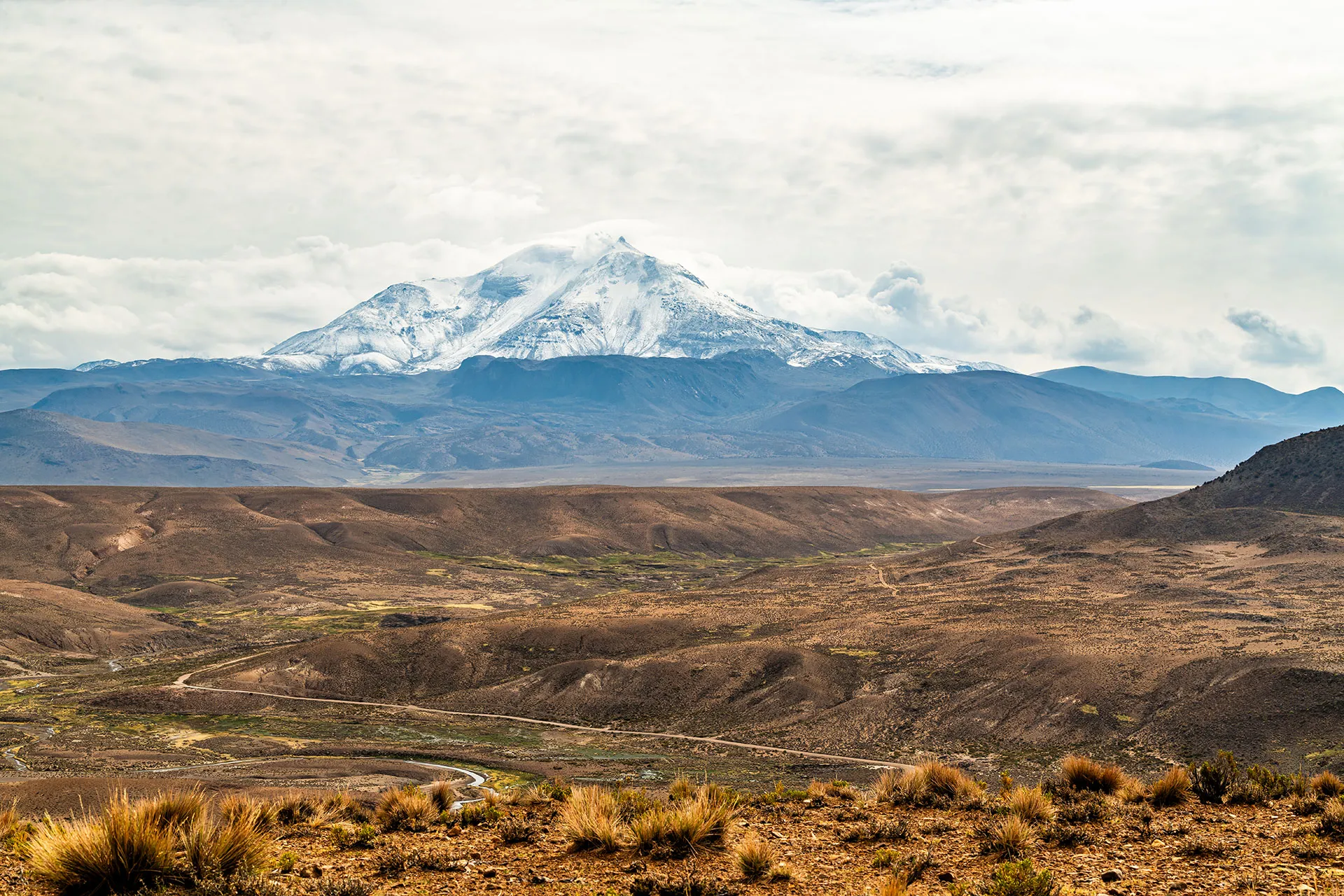
The excursion starts by visiting the Aymara hamlets of the Visviri commune, characterized by their clusters of houses, ceremonial squares and, especially, their churches. Cosapilla, Nasahuento, Chujlluta, Ancopujo, and Guacollo are part of the tour, we will also stop at Laguna Blanca and the Tacora Volcano. This prominent peak in the Andes is located very close to the Tacna border with Bolivia and it is generally covered in snow. It’s said that its name comes from Quechua “tacuri,” meaning “uproar.” The journey continues to the Villa Industrial station, next to the train line from Arica to La Paz, then moves on to Colpitas, bordering the Tarapacá Volcano (also known as Nevados de Putre), which is over 5,000 meters high. Finally, return to Putre.
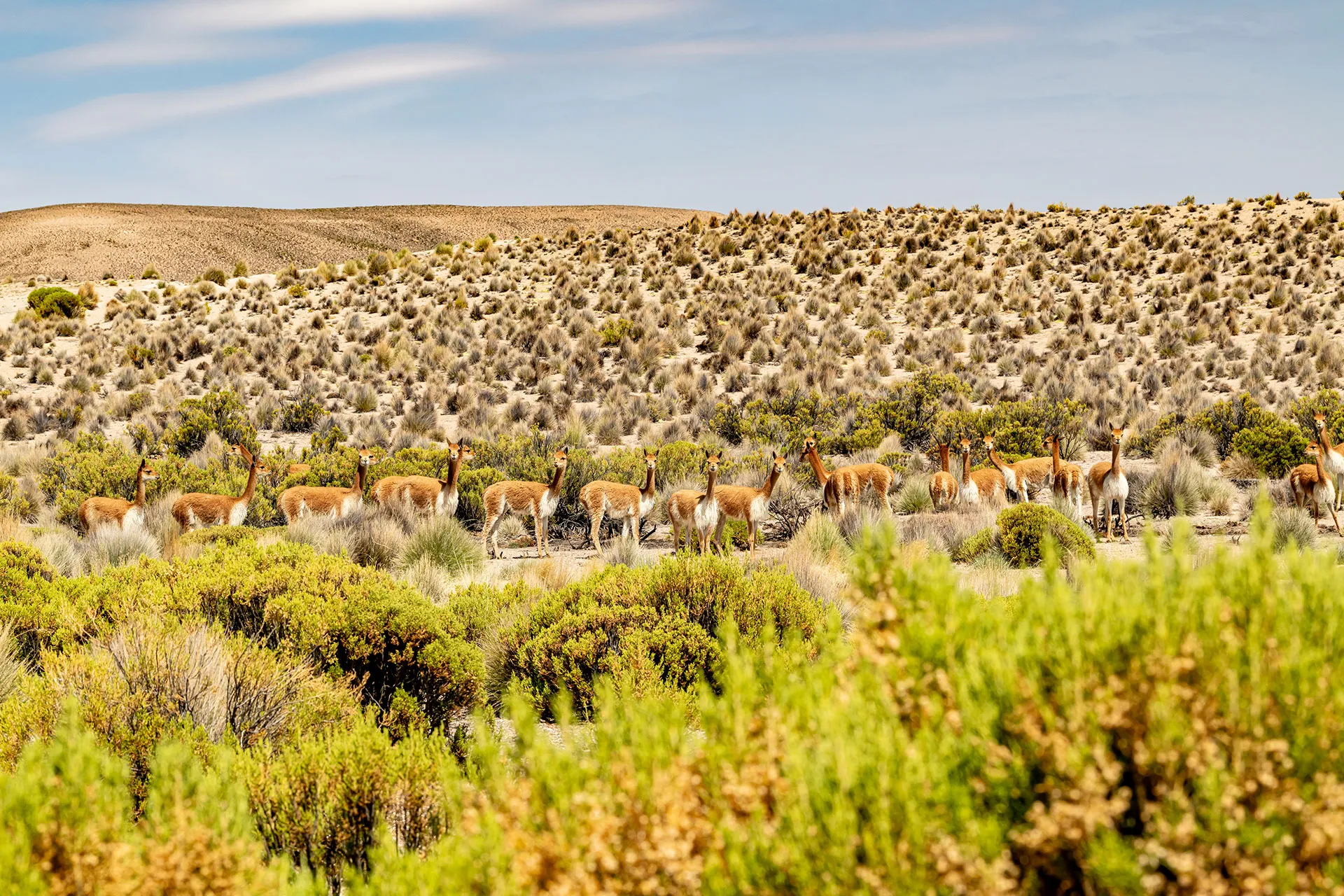
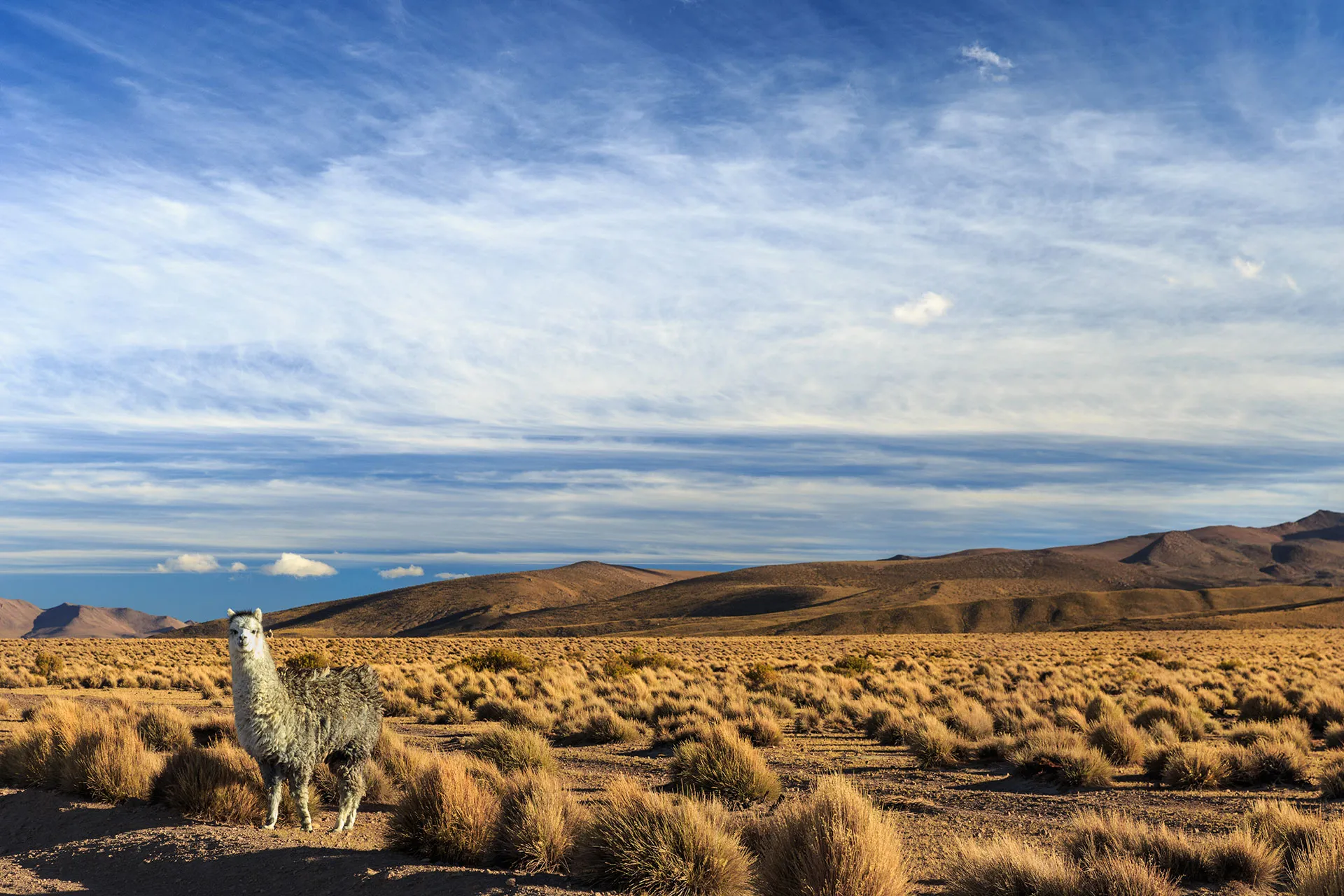
The tour starts with a visit to Lauca National Park, a location of 137,883 hectares inhabited by llamas, alpacas, vicuñas, and Andean birds. The excursion continues in Parinacota, the Aymara ceremonial town located in the Andean highlands. This place is known mainly for its mestizo Baroque-style church that it’s a National Monument now. The tour then moves to Chungará Lake, located at 4,570 meters above sea level (one of the highest in the world), whose waters reflect imposing volcanoes such as Parinacota, Pomerape, and Guallatire. On the way back to Putre, you will have the opportunity to bathe in the Jurasi hot springs, a place that according to legend was formerly part of the domains of an Inca princess, who had the gift of not aging. An excellent opportunity to relax. Return to the hotel.
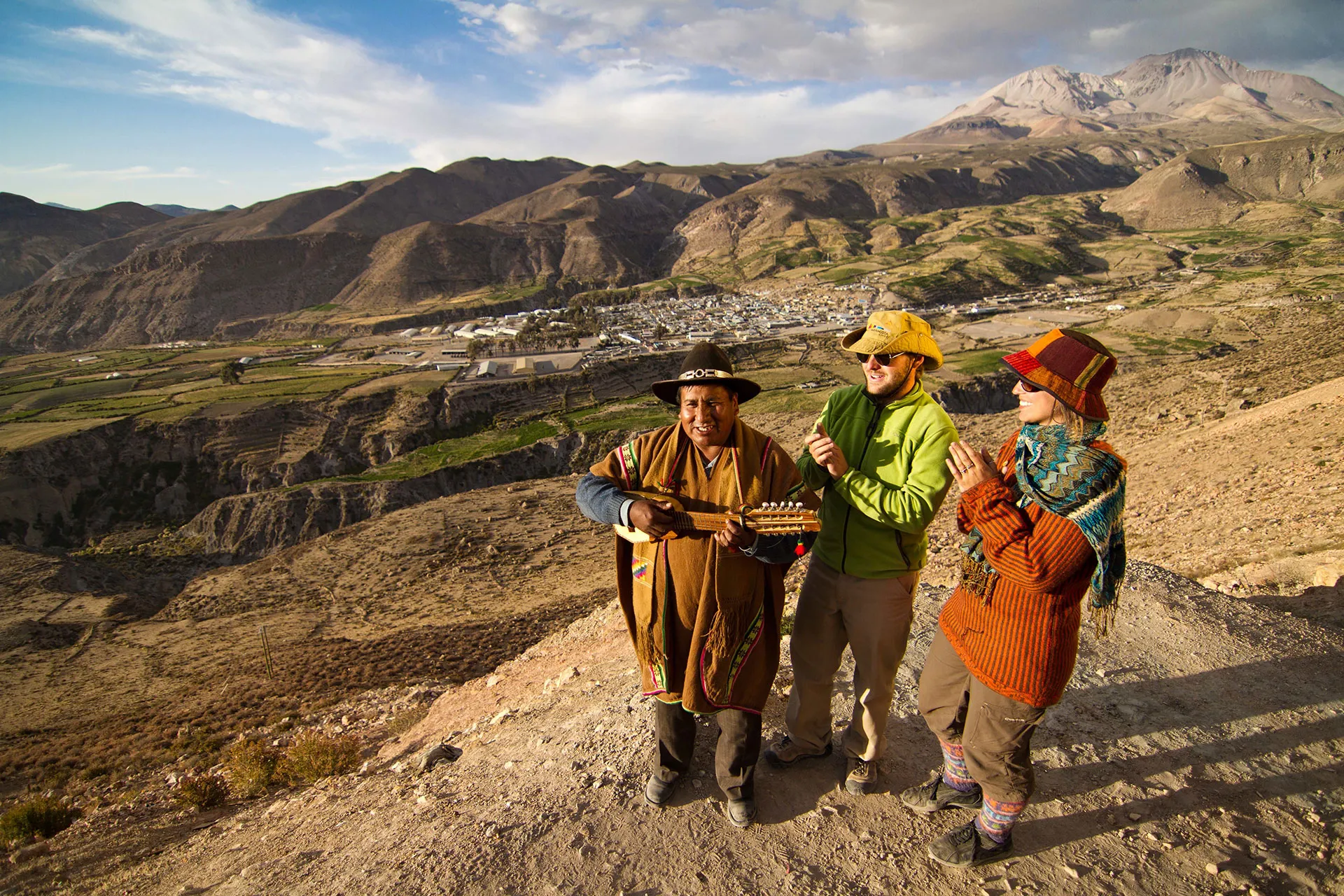
This excursion covers two important national parks of Chile and Bolivia. First, the Lauca National Park (Chile), declared as a World Biosphere Reserve by UNESCO. A living example of typical high-altitude flora and fauna (vicuñas, viscachas, and more than 130 species of birds). Second, the Sajama National Park (Bolivia), the first Protected Area created in its nation, mainly characterized by imposing volcanic cones like Nevado Sajama—the highest stratovolcano in the country. The tour will get us closer to the richness of this ecosystem, the mysticism of high-altitude villages like Parinacota and Sajama, and a vast number of snow-capped peaks exceeding 6,000 meters in height. Throughout the excursion, you can also observe Aymara people’s—an indigenous community mostly present in Bolivia—everyday life, and their dedication to agriculture and livestock. The itinerary includes accommodation in Putre.
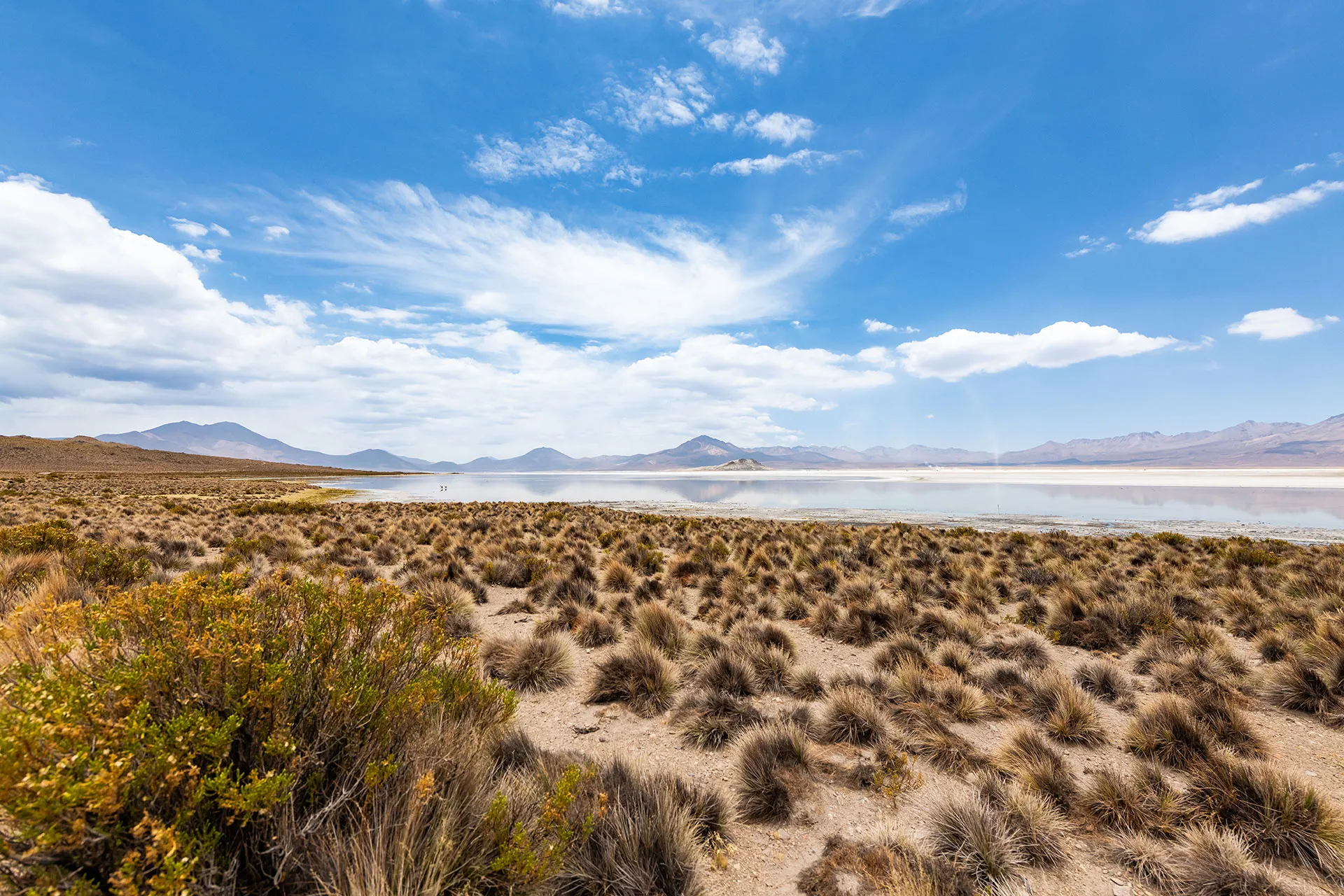
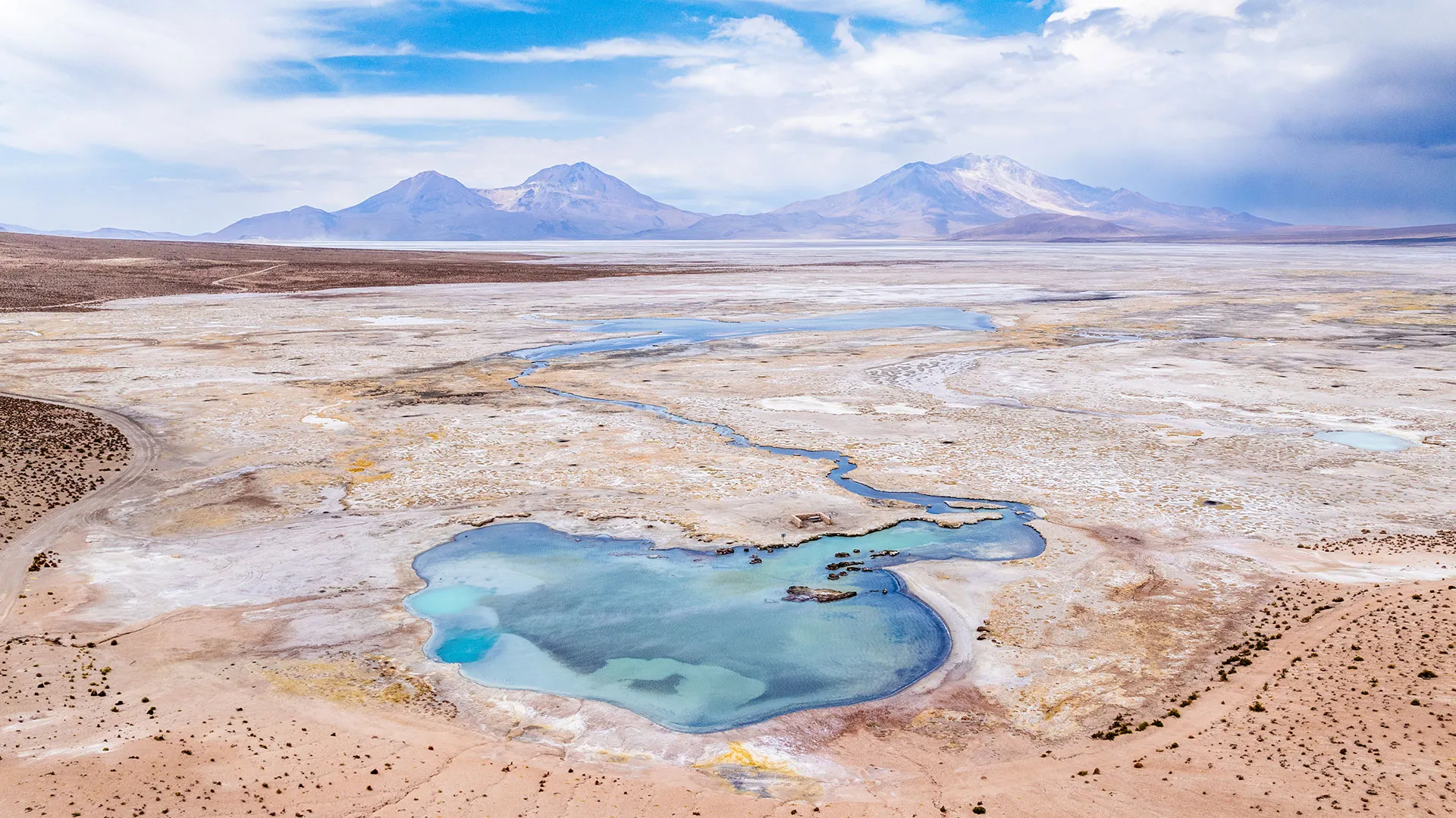
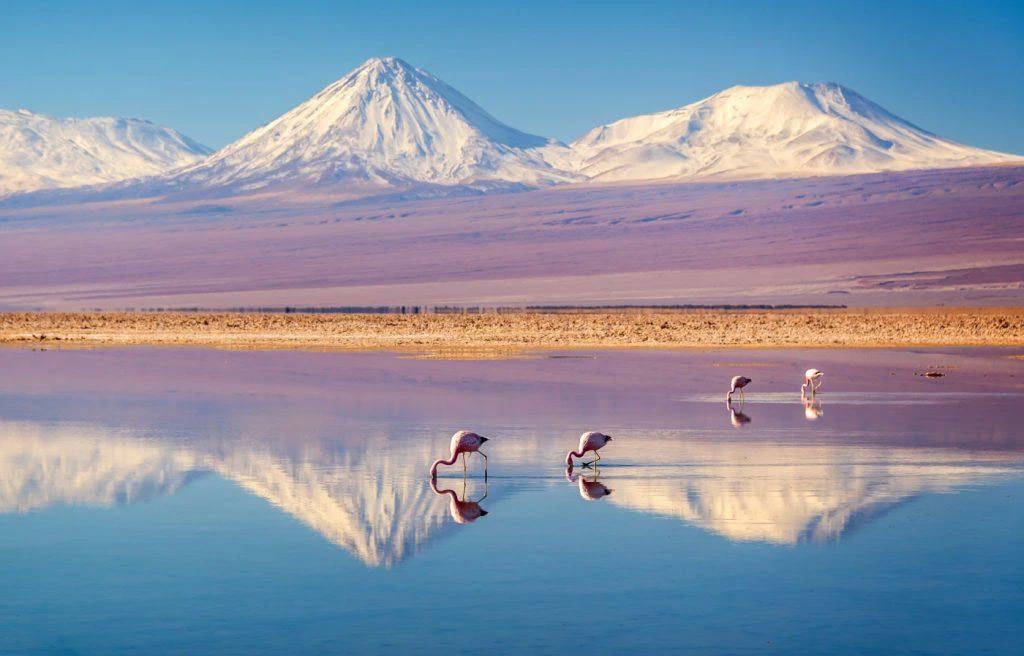
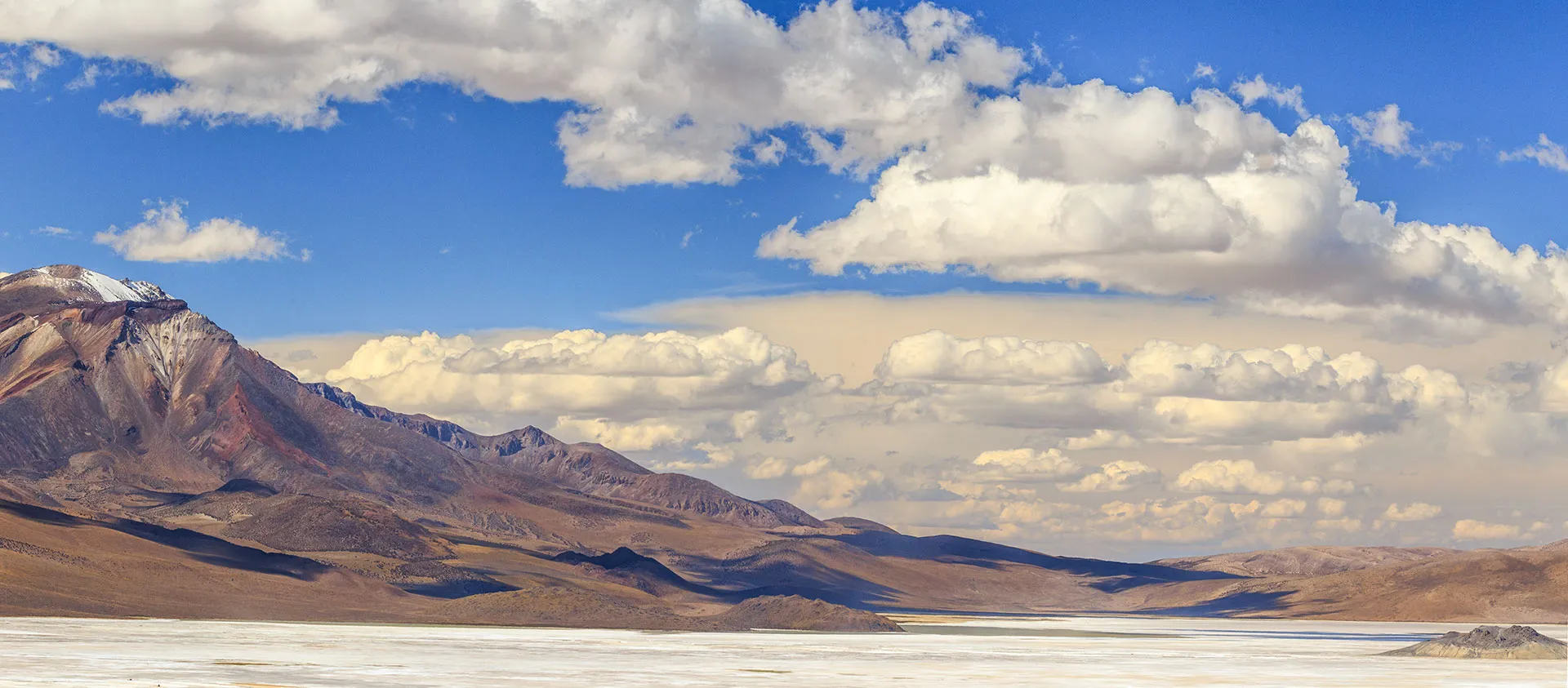
“Suri” is a Quechua word that means rhea, and this spectacular “salt lake” is named after it. We start this excursion here. This place is the home of striking birds, such as the mentioned rheas, kiulas, Andean avocets, and three types of flamingos: the James, the Andean, and the Chilean. An extensive visit to this area will be offered and around other largely touring protected areas, among which are: The Vicuñas National Reserve, and the Surire Salt Flat, a Natural Monument that preserves the wildlife of the fragile high-altitude ecosystem. The tour continues with a visit to centuries-old stone villages of Aymara communities, such as Ancuta, Guallatire, and Viluvio. Before them stands the Mallku, an Aymara deity known as the guardian spirit of the mountain, represented in this case by the Guallatire volcano and its eternal fumaroles. In the afternoon, return to Putre.
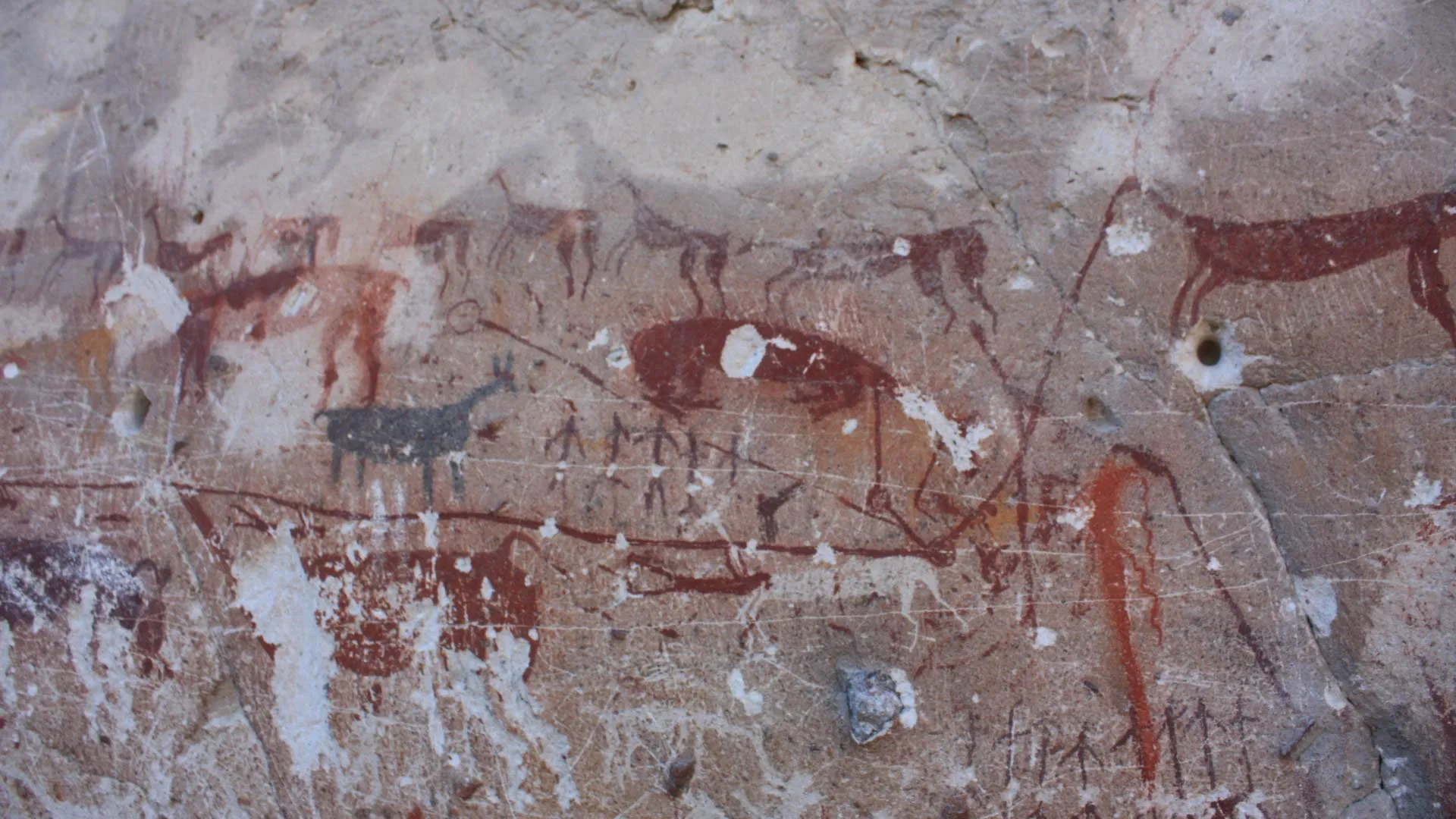
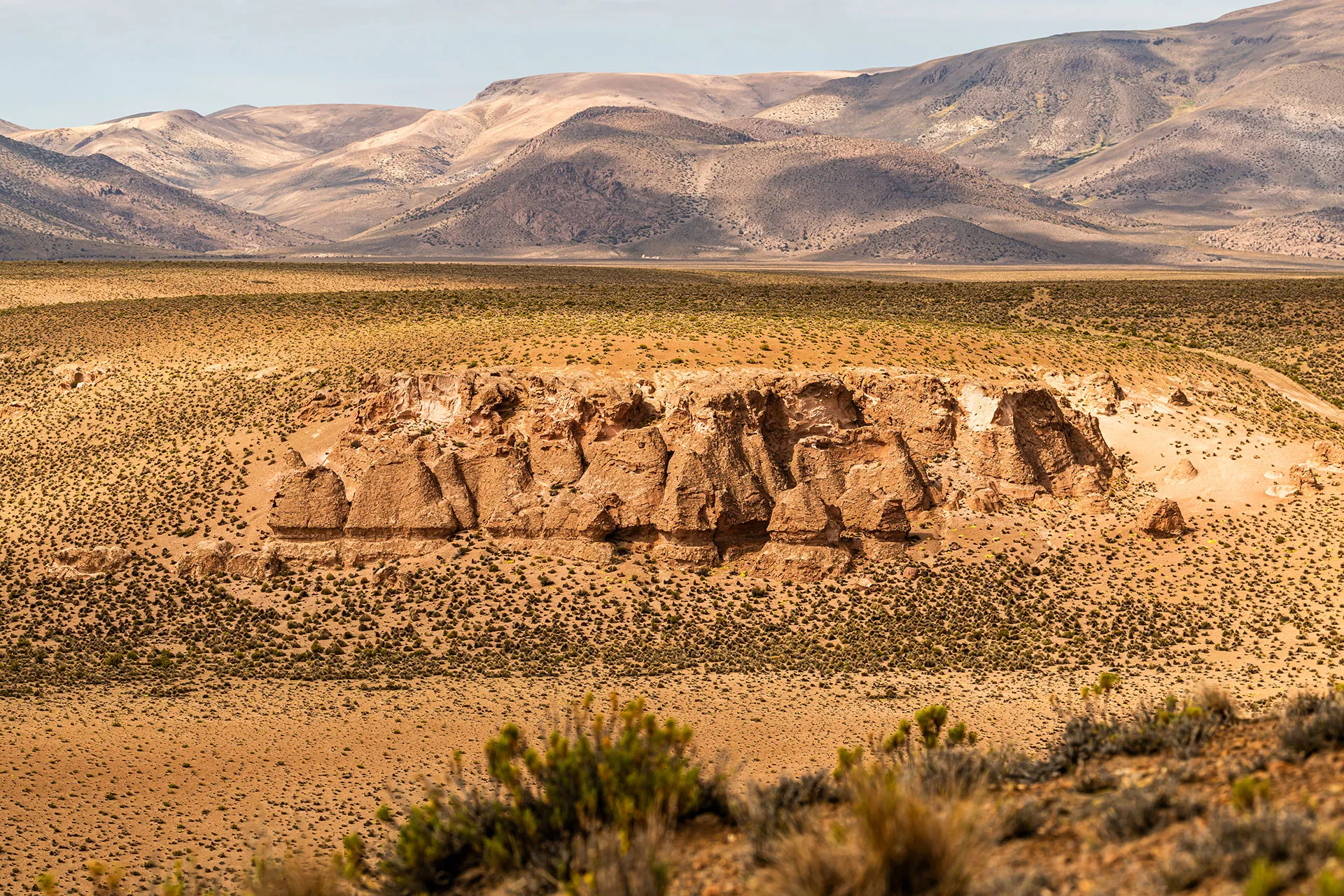
Departure from Putre and travel to Pampa Lluscuma. From there, you can fully enjoy the Andean landscape. After a little walk you will reach the Vilacaurani Alero: an important milestone of rock art. In this place, whose indigenous name means “red flames”, it is possible to observe rock paintings representing geometric, human, and animal figures, highlighting hunting scenes in almost all of them. These pictographs are considered as a National Monument of the country, since their creation dates back to thousands of years ago, and today they continue to be preserved despite the climate and the passage of time. The care and respect shown by visitors in these places are also essential to contribute to the preservation of their cultural value. At the end of the tour, return to the hotel.
© 2026 Chile Concept | Registered in Scotland SC211011